

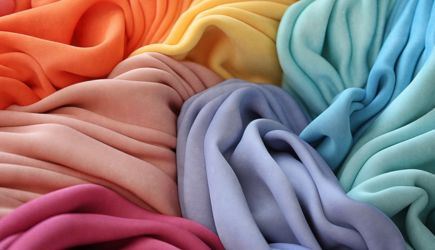
The fabric solutions industry relies on precise chemical treatments to turn natural and synthetic fibers into usable, high-performance textiles. To achieve the intended look, feel, and durability, controlled reactions are necessary at every stage of the fabric processing. Sodium hydroxide, one of the numerous chemicals used, is essential to making sure textiles fulfill these requirements.
Since sodium hydroxide has a strong alkaline character and works well with textile fibers, it is utilized extensively. It strengthens fiber structure, promotes dye bonding, aids in the removal of natural contaminants, and raises the general caliber of textiles. At several points during the textile production process, sodium hydroxide plays a role, whether the objective is increasing strength, uniform color, or higher absorbency.
How the Fabric Solutions Industry Uses Sodium Hydroxide in Various Applications
Removal of Organic Pollutants from Fibers
Natural materials including waxes, lipids, and leftover plant residue are present in raw textile fibers, particularly cotton. These contaminants obstruct appropriate wetting and disrupt subsequent procedures such as dyeing and finishing.
These undesirable substances are broken down and dissolved with sodium hydroxide. It enhances water absorption and gets the fabric ready for consistent chemical treatment by completely cleaning the fibers. To produce textiles with a uniform texture and appearance, this step is crucial.
Increasing Fabric Strength and Fiber Structure
Fiber alteration techniques are among the most well-known uses of sodium hydroxide in textiles. It causes interior swelling and realignment of cotton strands when applied under controlled settings.
This structural alteration enhances surface smoothness and fiber strength. Sodium hydroxide-treated textiles exhibit improved resilience to deterioration and hold their quality and shape over time. For clothing and home fabrics that need to be durable over time, this application is particularly crucial.
Supporting Efficient Dye Fixation
Dyeing is a critical stage in fabric processing, and successful dye fixation depends heavily on maintaining the correct chemical environment. Sodium Hydroxide is used to create the alkaline conditions needed for many dye systems to bond effectively with fibers.
By enabling strong chemical attachment between dyes and fabrics, Sodium Hydroxide helps achieve even coloration and improved wash fastness. This results in fabrics that retain their color after repeated washing and exposure to light.
Improving the Whitening and Brightness of Fabrics
Many fabrics go through a whitening process to eliminate natural color tones prior to dyeing or finishing. To increase the efficacy of bleaching chemicals, sodium hydroxide is used.
Its alkaline qualities aid in opening the fiber structure, which improves the effectiveness of bleaching treatments. This results in a cleaner base fabric that works well with light or pastel hues, increased brightness, and decreased discoloration.
Aiding in the Removal of Sizing Materials
Sizing agents are applied to yarns during weaving to increase strength and decrease breakage. To prevent uneven coloring or a rigid fabric texture, these materials must be eliminated before additional processing.
These sizing agents are broken down and eliminated with the help of sodium hydroxide. Better fabric softness, increased absorbency, and smoother finishing outcomes are guaranteed with proper desizing.
Supporting Fabric Finishing Processes
Sodium hydroxide is used to assist in finishing treatments that improve the feel and functionality of fabrics in the last stages of textile manufacturing. It aids in controlling chemical processes that impact dimensional stability, softness, and flexibility.
Manufacturers can create textiles with a consistent surface look, good drape, and resistance to shrinking by applying them carefully. Because of this, sodium hydroxide plays a crucial role in producing fabric that is consistently high quality.
By facilitating vital textile processes from fiber preparation to finishing, sodium hydroxide plays a critical role in the fabric solutions sector. It is an essential chemical in the production of textiles because of its capacity to clean fibers, alter structure, strengthen dye bonding, and improve fabric appearance.
Manufacturers can better satisfy the changing demands of contemporary fabric production by using sodium hydroxide, which allows for consistent quality, enhanced durability, and greater processing efficiency. Its ongoing use demonstrates how crucial it is as a base chemical for producing high-quality textile solutions.